Contrasting Vision Correction Alternatives: Refractive Lens Exchange Versus Standard Strategies


Post Created By-Ewing Raun
Regarding correcting vision, individuals often end up exploring a wide range of choices, spanning standard solutions such as optical aids and contacts to innovative surgical procedures like refractive lens exchange. https://mgyb.co/s/GjeSw , known as surgical lens exchange, is intended to address various vision issues, such as age-related vision loss, high myopia, and other refractive errors. As a growing number of patients seek a lasting remedy for their vision requirements, grasping the ins and outs of this surgical option becomes crucial.
In this comprehensive guide, we will delve into the positive aspects, risks, and post-surgery recovery of lens replacement surgery, comparing it to standard solutions including LASIK and examining elements that affect candidacy and financial considerations. Whether you are curious about the process itself, its advantages over conventional treatments, or what to expect during recovery, this piece aims to equip you with all the knowledge you need to choose appropriately about your path to better vision.
Grasping Lens Replacement Options
Lens replacement surgery, commonly referred to as refractive lens exchange, is a modern operation designed to fix eyesight issues by swapping the eye's innate lens with an artificial lens. This option is particularly helpful for patients with severe refractive errors, presbyopia, or other vision defects. The surgery not only strives to boost sight clarity but also decreases reliance on glasses or contact lenses, rendering it an attractive alternative for a lot of people.
There are different categories of artificial lenses available, permitting for personalization based on a person's eyesight needs. Luxury lens selections, such as lenses with extended depth of focus or flexible lens implants, offer significant benefits in achieving a more comprehensive sight. Being aware of these choices is crucial for patients to make wise selections about their eye care. Thorough consultations with experienced lens replacement surgeons help ensure that the right choice aligns with daily activities and visual demands.
It is important to evaluate both the advantages and the possible dangers linked to lens replacement surgery. While the procedure can result in impressive improvements in vision, there may be complications, like infections or visual glare, which should be discussed during the pre-operative discussion. Determining eligibility for the operation and knowing what to anticipate before, during, and after the surgery can significantly affect the overall experience and results of lens replacement options.
Benefits and Risks of Lens Replacement Surgery
Lens replacement surgery offers substantial benefits for individuals seeking vision correction. One of the key benefits is the chance for improved sight without the need on spectacles or contact lenses. Tailored lens replacement procedures can address a range of vision problems, including age-related vision loss and high prescriptions, offering options like advanced lens implants that enhance depth of focus. Many patients notice immediate improvements in their vision quality and clarity after surgery, leading to a superior quality of life overall.
In spite of the many advantages, it is important to evaluate the potential downsides associated with lens replacement surgery. As with any operation, there may be complications such as infection, hemorrhage, or negative responses to the anesthesia. Candidates might also face temporary side effects, including vision problems or discomfort during the healing process. It is crucial for candidates to be aware about these possible risks and discuss them in detail with an experienced lens replacement surgeon before proceeding with the surgery.
An additional consideration to evaluate is the healing process. While many people see rapid improvements, the full recovery timeline can differ, with some having discomfort or fluctuations in sight for a short time after the procedure. Understanding the anticipated recovery time and adhering to the aftercare protocol is critical to guaranteeing a smooth recovery. By weighing the benefits against the drawbacks and taking into account personal circumstances, people can make educated decisions about whether lens replacement surgery is the appropriate option for their needs.
Eligibility and Consultation Process
Determining candidacy for lens replacement surgery involves a comprehensive assessment by an knowledgeable eye care professional. Ideal candidates typically include individuals with refractive errors such as myopia, farsightedness, or presbyopia who desire a long-term solution for vision correction rather than relying on spectacles or contact lenses. simply click the up coming website as age, overall eye health, and the presence of issues like cloudy lenses or thin corneas can impact eligibility, making it essential for potential candidates to talk about their specific circumstances during the consultation.
The assessment process is crucial for understanding individual needs and goals. During this appointment, the surgeon will conduct multiple diagnostic tests to measure visual acuity, eye pressure, and the overall health of the eyes. This comprehensive assessment aids in identify the best custom lens replacement options, whether it be accommodating lens implants or premium lenses for enhanced depth of focus. Candidates will also have the opportunity to ask questions about the surgery, recovery period, and possible concerns regarding potential dangers or complications.
In addition to evaluating physical suitability, the consultation serves as an excellent chance for candidates to understand the financial aspects of lens replacement surgery. Conversations may cover the cost breakdown, payment plans available, and whether flexible spending accounts or HSA can be utilized. This transparency not only helps in making educated decisions but also guarantees that candidates feel fully prepared and confident moving forward with their vision correction path.
Price and Funding for Lens Surgery
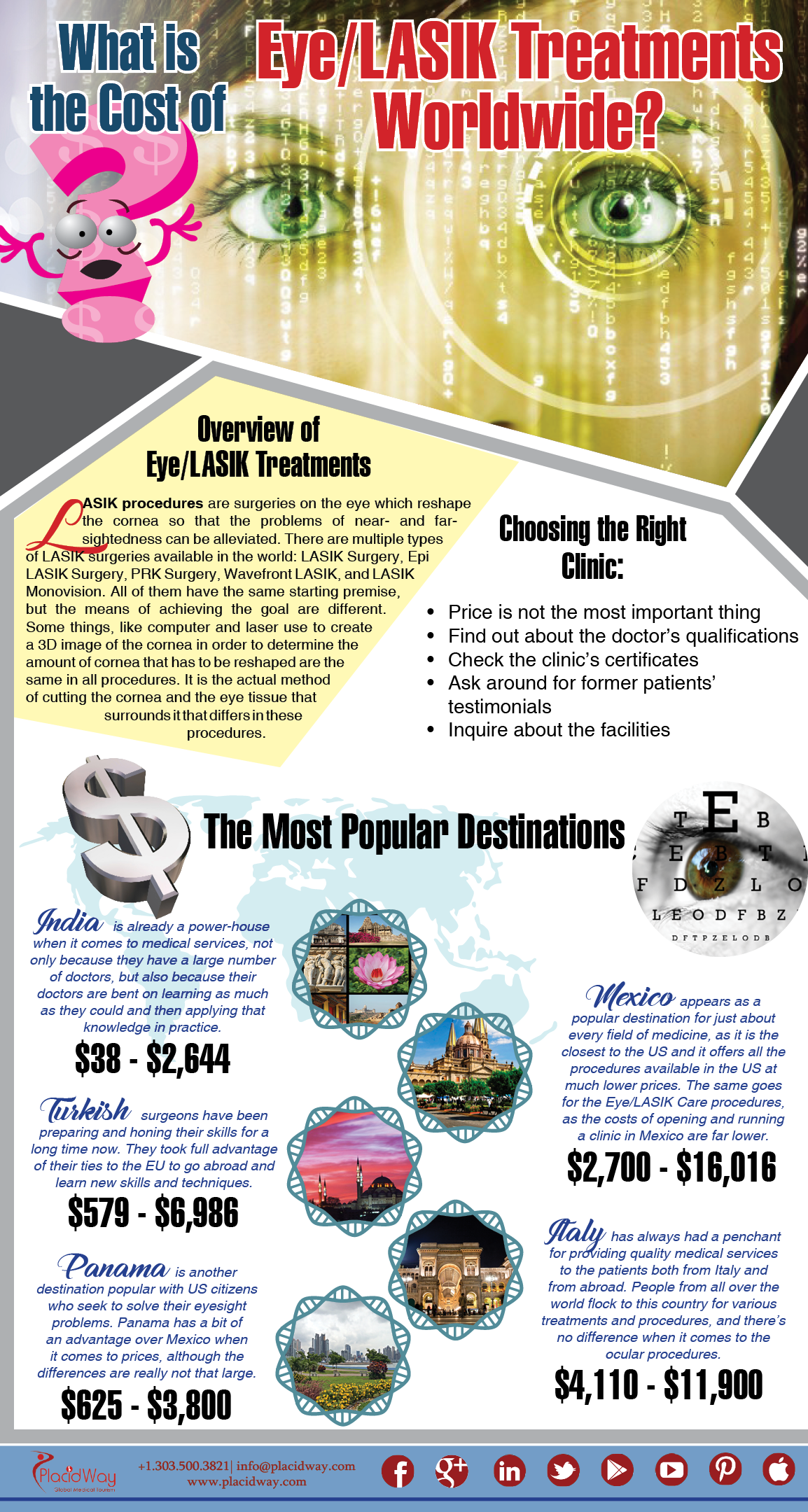
The cost of lens replacement surgery can vary considerably based on several factors, including the doctor's expertise, the technology used, and the kind of implants selected. On average, the total cost can range from multiple thousand dollars per eye to over $10,000 for premium choices like high-quality lens implants. It is crucial to have a thorough understanding of what is included in the quoted price, such as pre-surgery assessments, post-surgery care, and any possible enhancements or additional procedures.
Financing choices are commonly available to make lens surgery more accessible. Many clinics offer payment plans, which can help spread the expenses over a manageable time frame. Additionally, some practices may offer funding with minimal to zero fees, making it feasible for clients to pay for the procedure without major financial strain. It's advisable to inquire about these options during your first consultation.
Individuals should also think about using Health Savings Accounts or FSAs to pay for the expenses of lens replacement. These accounts allow for pre-tax funds to be used for medical expenses, effectively reducing the total financial impact. Furthermore, talking with your tax advisor about possible deductions related to vision correction treatments could yield additional benefits.